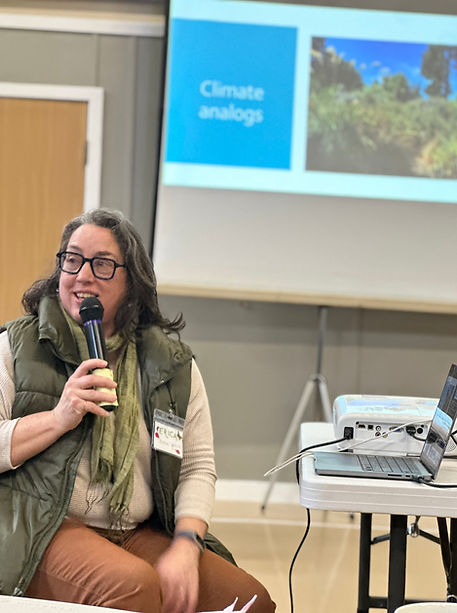


Presenter - Septic Sisters
"All about your Septic". A volunteer group that helps island neighbors build and maintain healthy septic systems." - Feb. 2026
A note on septic additives:
You don’t need them. To quote the Washington State Department of Health: Septic tank additives sold in stores aren't necessary to keep your septic tank working properly, and they don't reduce or eliminate the need for routine pumping.“

HELP!
We're here to help island neighbors build and maintain healthy septic systems. We have compiled a list of companies that deal with the various issues that can occur with your system from backed-up toilets to dodgy drain fields to building a system in the first place.

Presenter - John Coghlan
"Sedges have Edges - Unlocking the Secrets of Carex in Your Garden" - January 2026
"Thanks to the diversity of habitats in which Carex are found in the wild, from mountain tops to coastal dunes, there is a Carex for nearly every garden condition imaginable," says Sam Hoadley, Manager of Horticultural Research at Mt. Cuba Center.
Sedge grass is often planted as a ground cover, used in rain gardens, as a border, and as a substitute for lawns, both mowed and unmowed. And planting sedges native to your region offers a boost to biodiversity. "Their leaves are the food sources for caterpillars of several species of butterflies and moths, their seeds are eaten by a variety of birds and small mammals, and Carex themselves provide shelter to a diversity of animals," says Hoadley.
Discover the quiet magic of sedges (Carex)... understated plants that bring texture, movement, and resilience to the garden. Often overlooked in favor of flashier blooms or showy grasses, sedges offer remarkable beauty and ecological value. Attendees will learn how to use Carex species to create dynamic plantings that support pollinators, stabilize soil, and thrive in challenging conditions. Garden designer John Coghlan shares design insights, practical growing tips, and a few of his favorite selections to help gardeners see sedges in a whole new light.

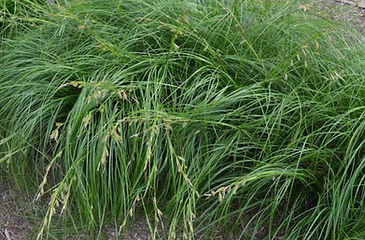
What is a sedge?
A sedge is a grass-like plant from the family Cyperaceae, easily identified by its unique triangular stem (say "sedges have edges"), unlike round grass stems, and often found in wet areas but tolerating diverse conditions, serving as vital wildlife food/habitat and useful landscape plants for texture, groundcover, or erosion control.
John's Top 17 Favorites Sedges:
-
Carex
-
Carex
-
Carex
-
Carex
-
Carex
-
Carex
-
Carex
-
-
Sedge stems are triangular rather than flat.
-
They are widespread in North America and are important parts of native ecosystems. We have hundreds of species of them.
-
In the garden, sedges are a lot like grasses, but they are useful because they can handle different conditions that are tough for other plants, like wet soil or shade. They also bloom with what look like tiny wheat stalks.
-
Most of them form a clump and don’t spread, so they can be placed in borders or close together to make a meadow-like appearance. Some can even be mown. Others can be fast spreaders.
-
Sedges can add color and texture, stability, and lushness to gardens, and fill out spaces that are difficult for other plants to thrive.
-
After they’re established, they’re extremely low-maintenance and fuss-free.
-
Many are evergreen, too, and they are generally uninteresting to deer and rabbits.